How to Handle a Breakdown on the Road
Experiencing a breakdown while driving can be a stressful and potentially dangerous situation. However, knowing how to handle it effectively can make a significant difference in ensuring your safety and getting back on the road as quickly as possible. Here’s a step-by-step guide to help you navigate through a breakdown calmly and safely.
1. Stay Calm and Assess the Situation
The first step in handling a breakdown is to remain calm. Panicking can cloud your judgment and lead to poor decision-making. Assess the situation: Is your vehicle making strange noises? Did it suddenly lose power? Identifying the problem can help you decide your next steps.
2. Move to a Safe Location
If you notice that your vehicle is experiencing issues, safely steer it to the side of the road or into a parking lot if possible. Turn on your hazard lights to alert other drivers that you are experiencing trouble. If you're on a busy road, try to get as far off the road as you can to avoid any potential accidents.
3. Stay Inside Your Vehicle
Unless it’s unsafe to do so, remain inside your vehicle with your seatbelt fastened. This is especially important if you are on a busy roadway, as stepping outside can put you at risk of being struck by other vehicles.
4. Call for Assistance
Once you are safely stopped, contact roadside assistance or emergency services if needed. Many insurance companies offer roadside assistance as part of their policies, so be sure to have your policy details on hand when you call. If you’re not a member of a roadside assistance program, consider using apps that provide quick access to local towing services.
5. Use Warning Devices
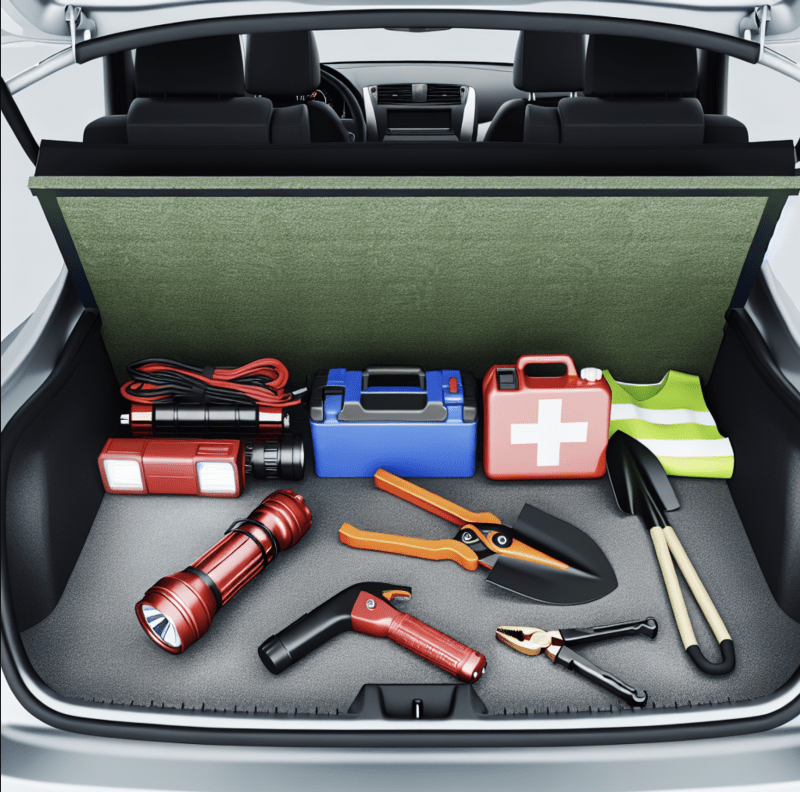
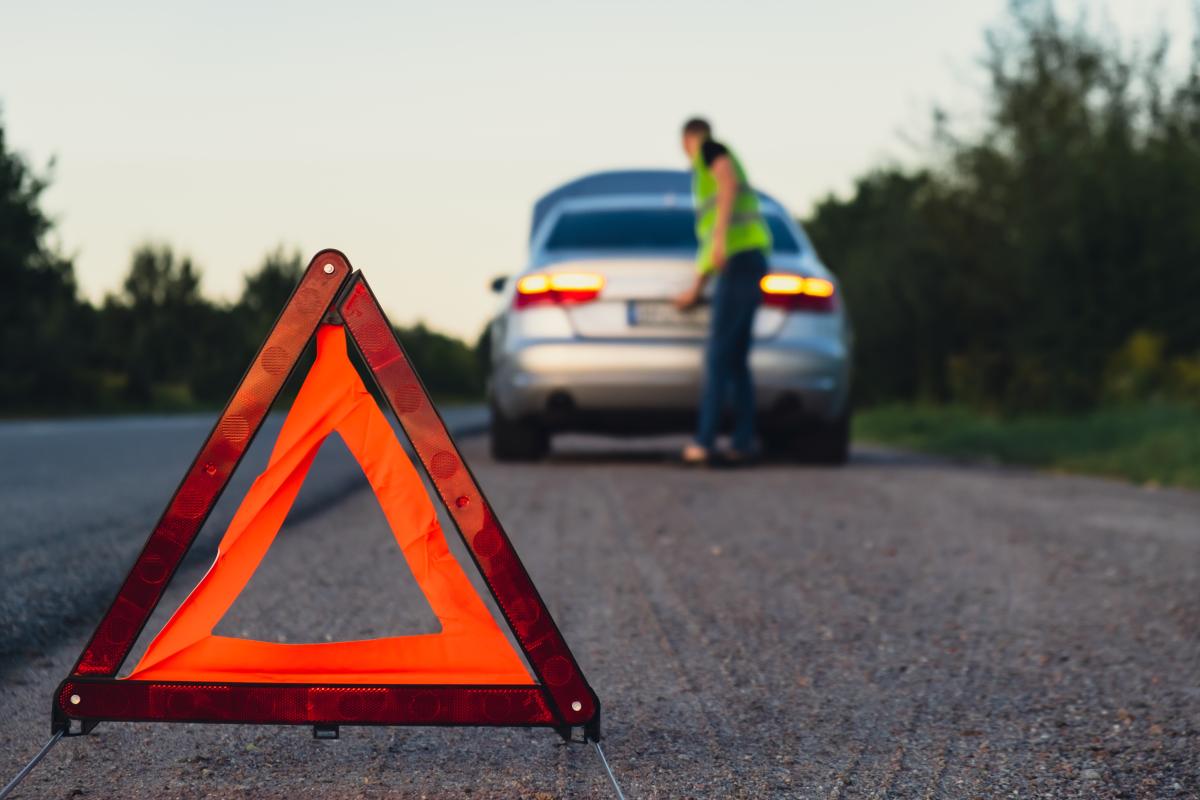
If you have warning triangles, flares, or other safety devices, set them up at an appropriate distance from your vehicle to alert other drivers. Place them about 30 feet behind your car if it's safe to do so; this will give passing motorists ample warning of your situation.
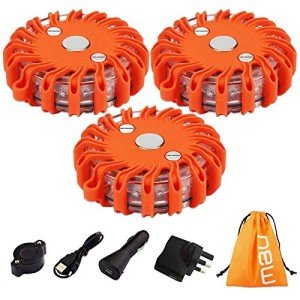
TEHEO Flashing Warning Lights, 3 Pieces Rechargeable Car Safety Road Flares Flashing Beacons Emergency SOS LED Strobe with Magnetic Base, for Traffic accidents, Breakdowns, Road & Water Hazards
Product information
$52.01
Product Review Score
4.43 out of 5 stars
101 reviewsProduct links
6. Identify Your Location
Providing precise location information will assist towing services or emergency responders in finding you quickly. If you're on a highway, note the mile marker or exit number; if you're on city streets, identify nearby intersections or landmarks.
7. Prepare for Help
If you're expecting assistance, stay close to your vehicle but remain aware of your surroundings. If it's safe, gather any essential items like your driver's license, insurance information, and any tools or equipment that might help the mechanic diagnose the issue when they arrive.
8. Know When to DIY vs. Call for Help
If you have some mechanical knowledge and feel safe doing so, you can attempt minor repairs (like changing a flat tire) once help is on the way. However, don’t take unnecessary risks; if the issue seems complex or hazardous (like engine problems), it’s best to wait for professionals.
9. Stay Hydrated and Comfortable
Breakdowns can take time to resolve, especially during peak hours for towing services. Keep bottled water and snacks in your vehicle for unexpected delays, and make sure you're comfortable while waiting.
10. Learn from the Experience
After resolving the breakdown, take some time to reflect on what led to it and how you handled it. Regular maintenance checks can help prevent future issues, and learning from this experience will equip you with better knowledge for handling similar situations in the future.
Conclusion
Handling a breakdown on the road doesn’t have to be an overwhelming experience. By staying calm, prioritizing safety, and knowing what steps to take, you can effectively manage the situation until help arrives. Remember that prevention is key—regular maintenance checks can significantly reduce the likelihood of unexpected breakdowns. Safe travels!